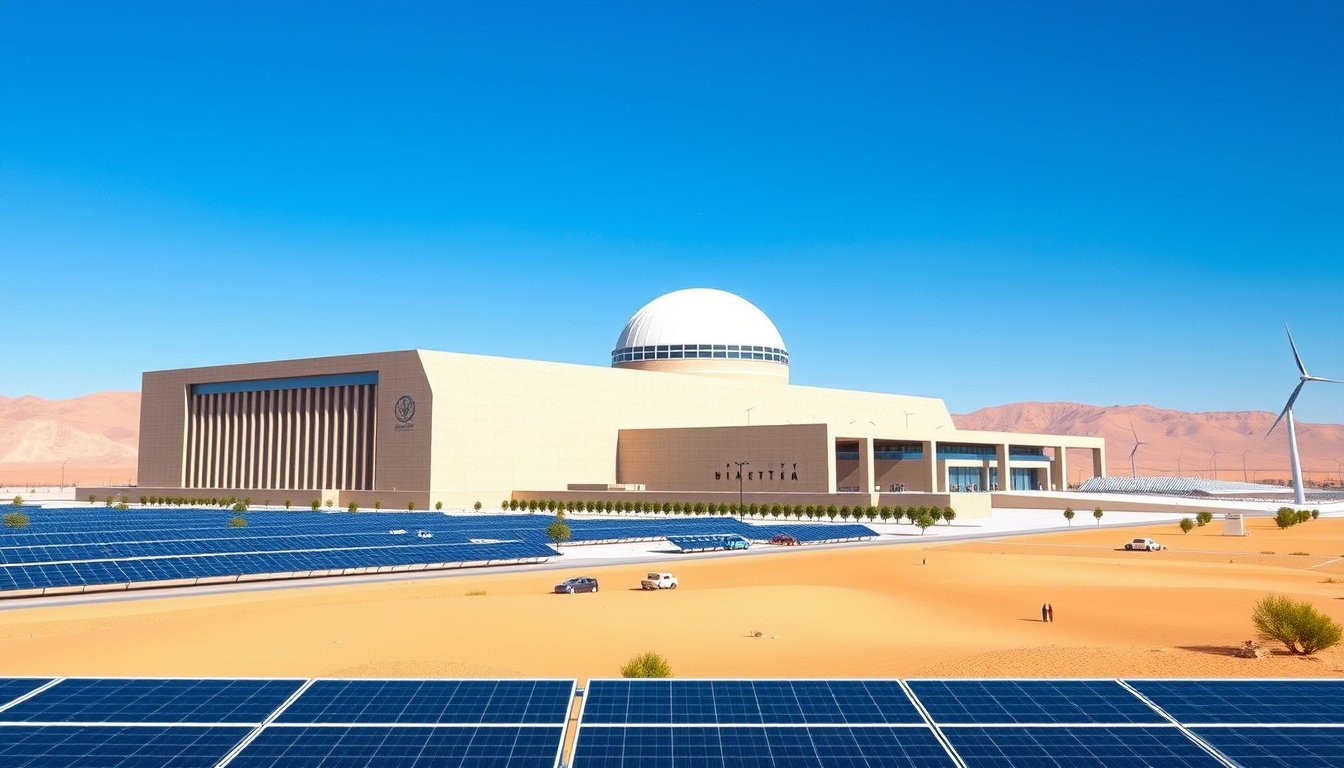
Uzbekistan is embarking on a transformative journey in its energy sector with the construction of its first-ever nuclear power plant, marking a significant milestone in the nation’s quest for sustainable and diversified energy sources. This ambitious project, currently underway in the Jizzakh region, reflects Uzbekistan’s commitment to modernizing its infrastructure and supporting economic growth through advanced technology.
In October 2025, excavation began for the plant’s reactor pits, signaling the start of what will become one of the world’s pioneering facilities to incorporate small modular reactors (SMRs) on a significant scale. The plant’s design features a combination of two Russian RITM-200N SMRs alongside two larger VVER-1000 reactors, creating a powerful and versatile energy generation complex. These reactors will collectively contribute substantial electric capacity, with the VVER-1000 units producing around 1 gigawatt each, while the SMRs will provide an additional 55 megawatts each.
The use of RITM-200N reactors is particularly notable as these water-cooled units have been adapted from Russia’s nuclear icebreaker technology, offering a reliable power output and an extensive operational lifespan of around 60 years. This project represents Russia’s first export of SMR technology, with the plant set to become operational by the late 2020s, as the first SMR unit is expected to start concrete pouring by March 2026 and go critical in late 2029. President Shavkat Mirziyoyev’s recent visit to the construction site underlined the government’s support for the project and its broader vision for regional development. The president highlighted the importance of seizing new growth opportunities to advance local economies and improve living standards. Preparations are in full swing—not just in construction— but also in developing related infrastructure, including local production of construction materials and expanding educational programs aimed at training specialists to operate the nuclear facility safely and efficiently.
Another exciting aspect of this development is the planned mono-city to accommodate the plant’s workforce and their families. Situated approximately 16 kilometers from the plant, this specially designed town will house up to 10,000 residents and is intended to provide all necessary social services, infrastructure, and amenities, underscoring the project’s role as a catalyst for holistic community growth.
Uzbekistan’s move into nuclear energy comes at a crucial time, as countries worldwide seek cleaner alternatives to fossil fuels. With abundant domestic uranium resources, the development of nuclear power not only strengthens Uzbekistan’s energy security but also enhances its position in the global nuclear landscape.
This milestone project illustrates Uzbekistan’s proactive approach to energy diversification and sustainable development. By integrating cutting-edge nuclear technologies and investing in human capital and infrastructure, Uzbekistan is set to usher in a new era of energy independence and economic vitality, serving as a model for emerging nuclear energy countries around the world.